Slide Bearing
Slide bearing are a specially enhanced type of pot bearing developed and manufactured by Vinh Hung Investment and Production Co., Ltd. (Vinh Hung IP) to accommodate demanding requirements for load capacity, displacement, and rotational movement. The bearings are designed and manufactured in accordance with AASHTO LRFD, TCVN 11823:2017, TCVN 10268:2014, TCVN 10269:2014, TCVN 13594-8, EN 1337, IRC:83 – Part 2, KS F4424, and other applicable standards.
Slide bearing are capable of accommodating high loads, large displacements, and significant rotational movements. In particular, they are designed to resist horizontal loads and accommodate movements in both longitudinal and transverse directions while simultaneously providing uplift resistance when required by the structural design.
Product Features
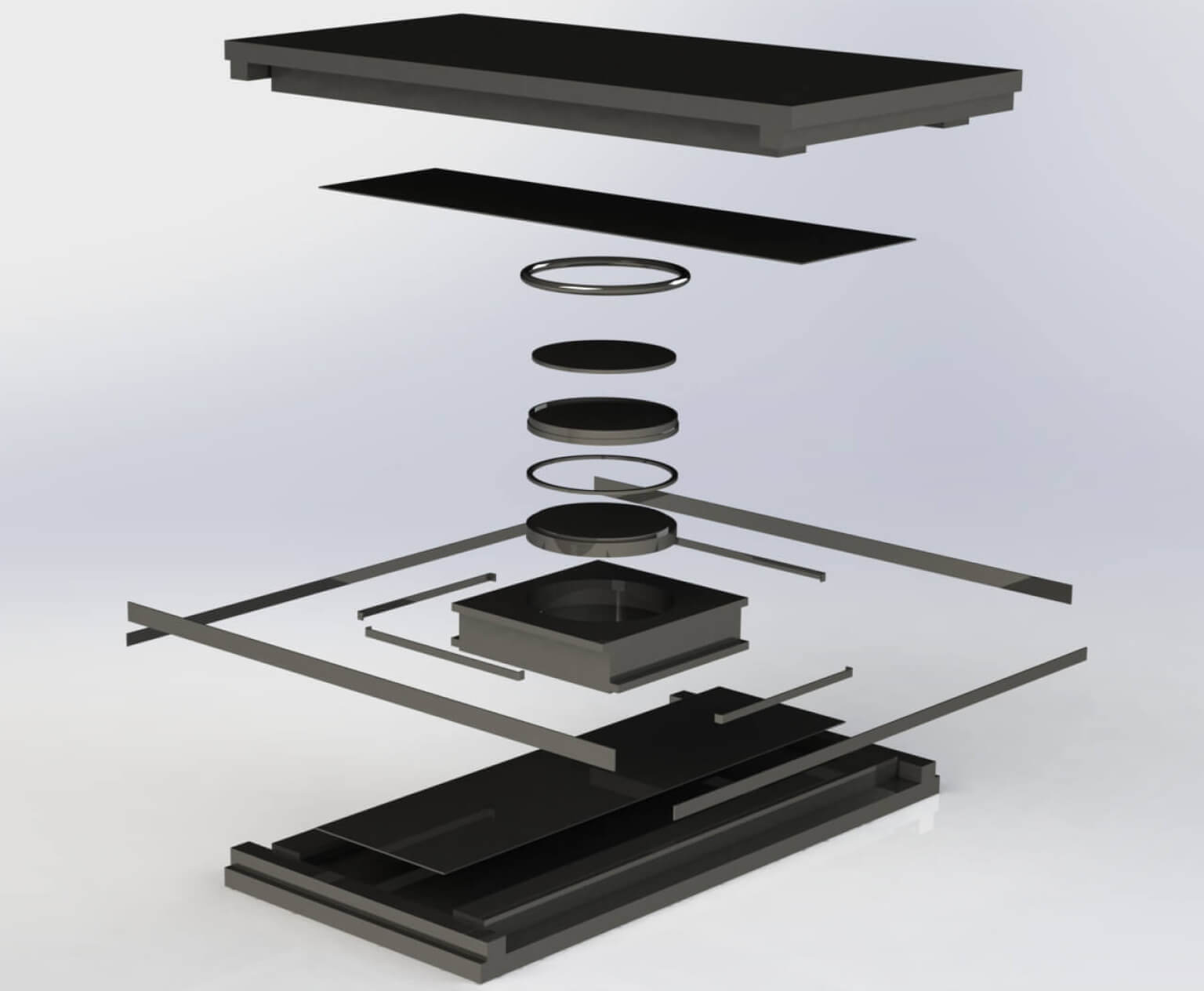
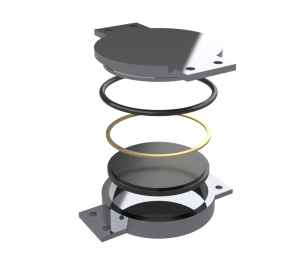
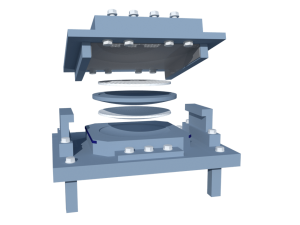
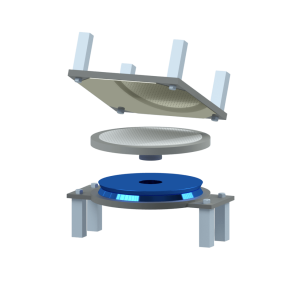
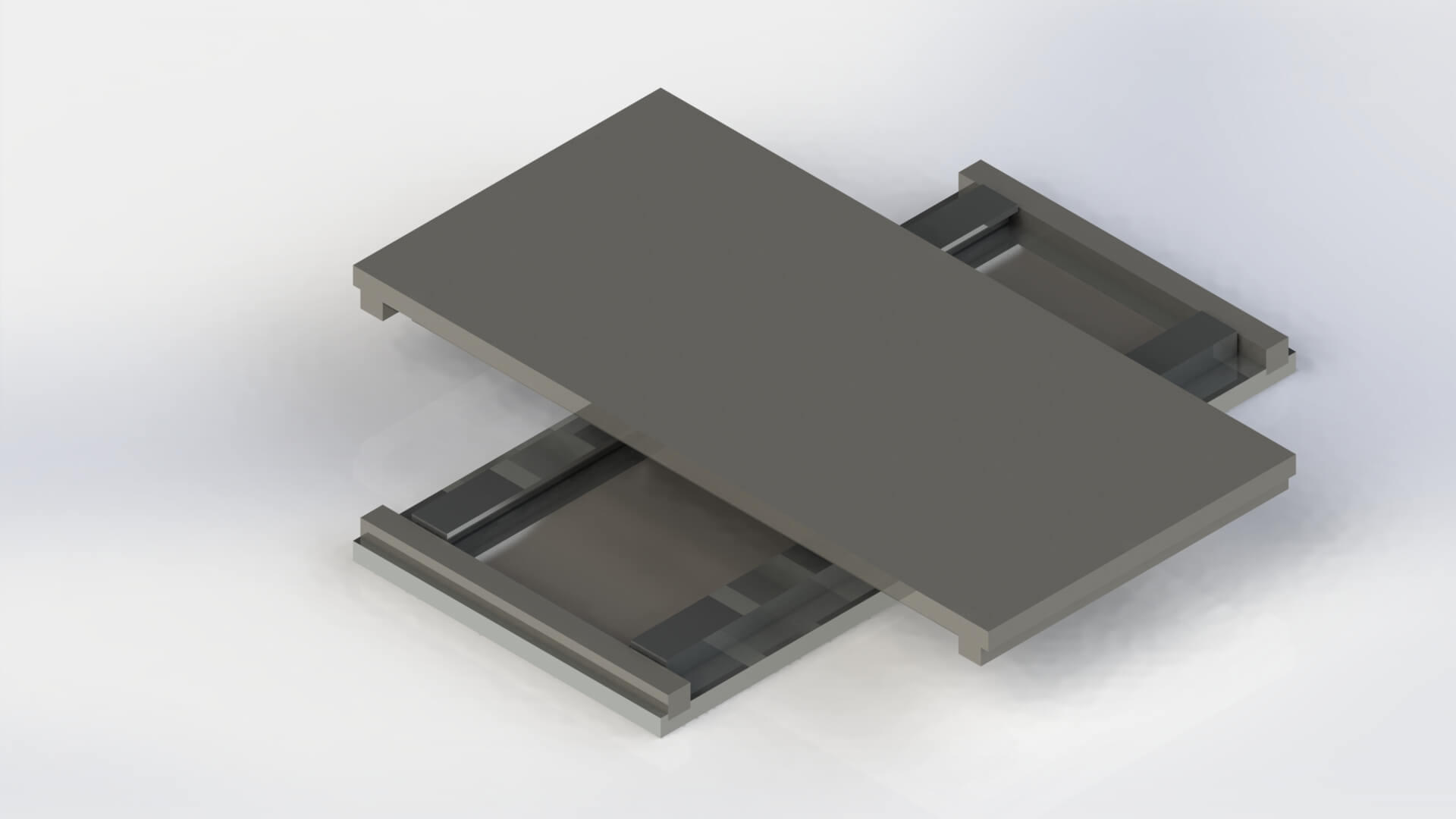
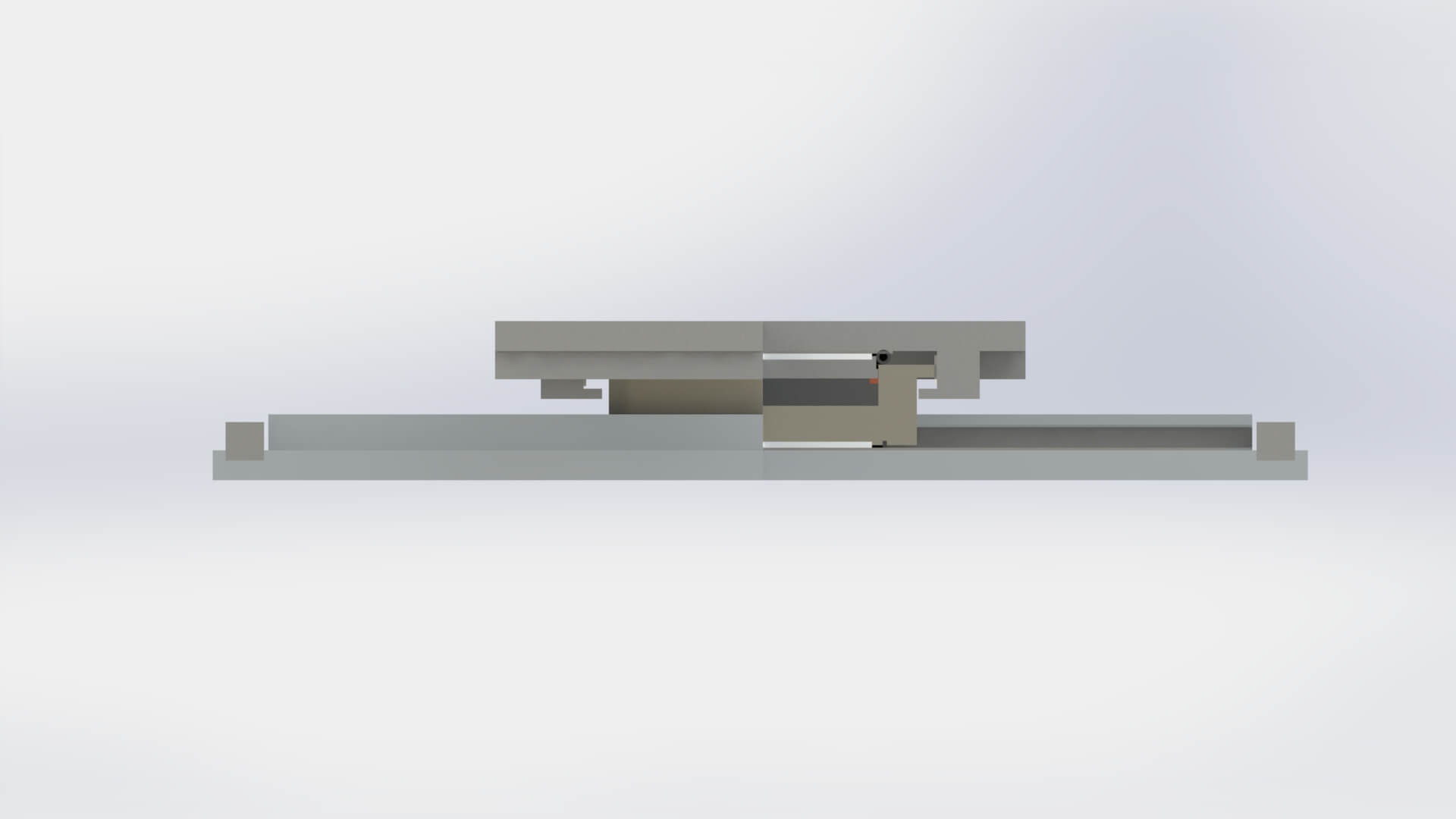
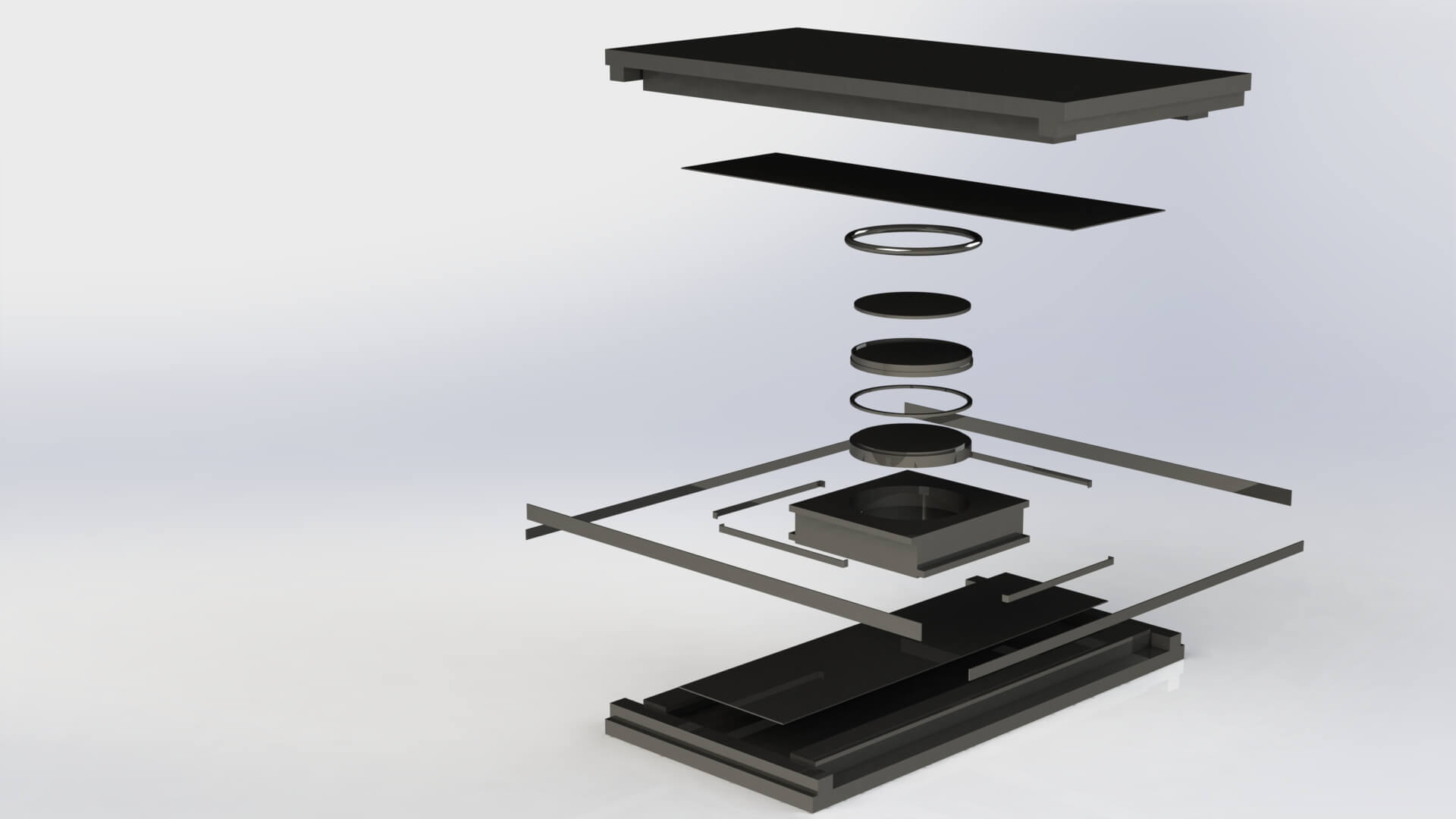
The slide bearing consists of the following main components: a top plate, a piston, a pot, an elastomeric disc, a bottom plate, and an uplift restraint assembly.
The elastomeric disc is confined within a steel pot. Under applied loads, the disc deforms within the confined space of the pot, enabling the bearing to accommodate structural loads as well as rotational movements about the horizontal axis generated by the bridge or station structure.
Piston and pot work as the connecting parts between the structures.
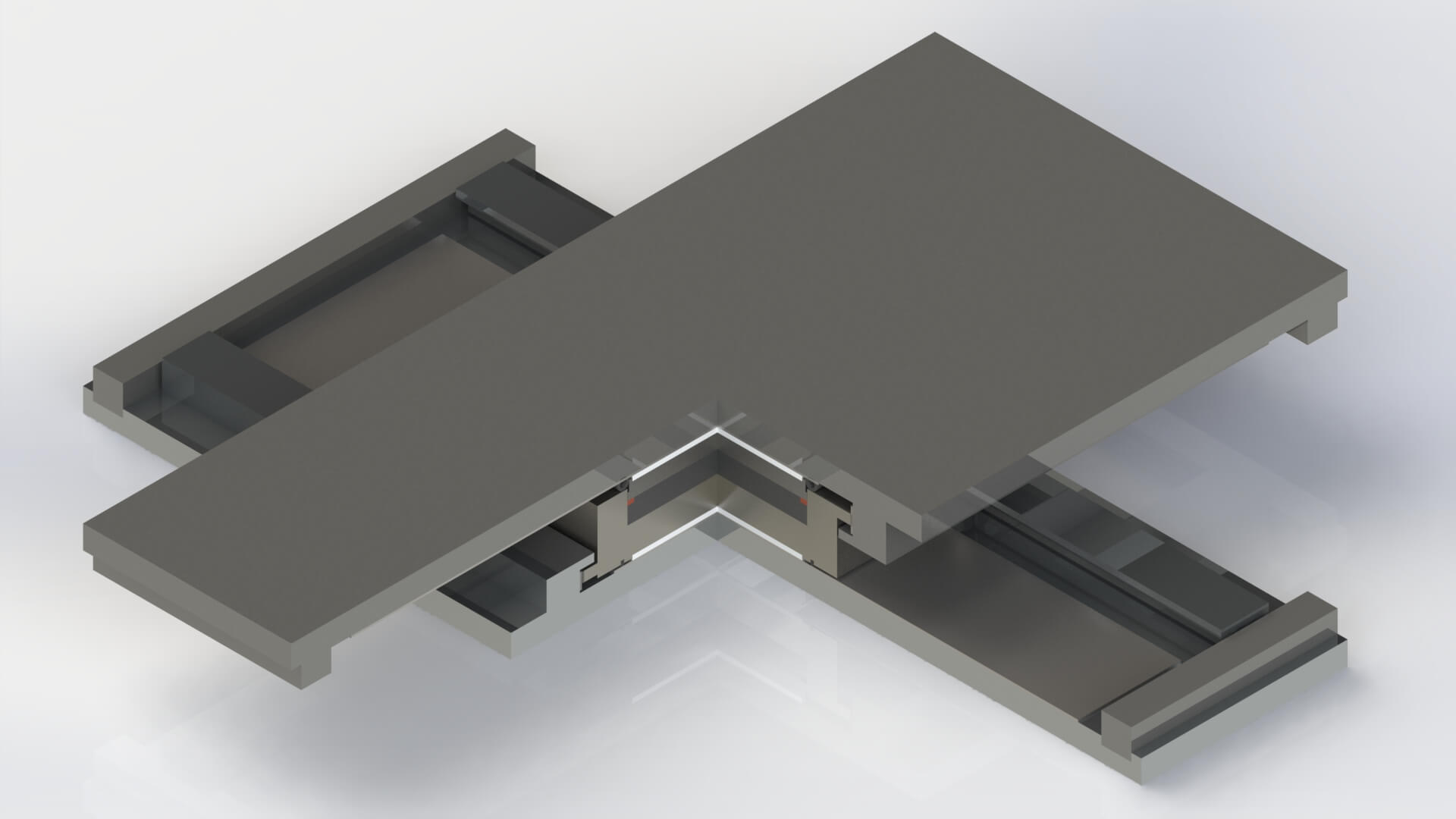
Guide bars are incorporated into the top and bottom plates to either restrain or permit movement in the required direction, depending on the bearing configuration and structural requirements.
The uplift restraint assembly is designed to resist uplift forces in accordance with project-specific requirements.
Owing to its compact design, the slide bearing can be installed easily and efficiently. The bearing can also be customized to accommodate special design requirements of individual projects.
To ensure the long-life durability, slide bearing is protected against corrosion by the following methods: two-component epoxy coat, PU-based painting (Polyurethane) in accordance with the corrosion categories specified in ISO 12944 (TCVN 12705). In particular, the Al–Mg thermal spraying method (at the ratio of 95% Al and 5% Mg) ensures the anti-corrosion durability of up to 100 years, proven by salt-spraying test in 12.000 hours (8-hour dry-wet cycle repetition) under ASTM B117 standards.